


Iranians Flood Streets in Unprecedented Wave of Anger — Calls Grow to End the Islamic Republic and Restore the Monarchy
- by Famous, Tehran , RNG247
- about 1 months ago
- 218 views
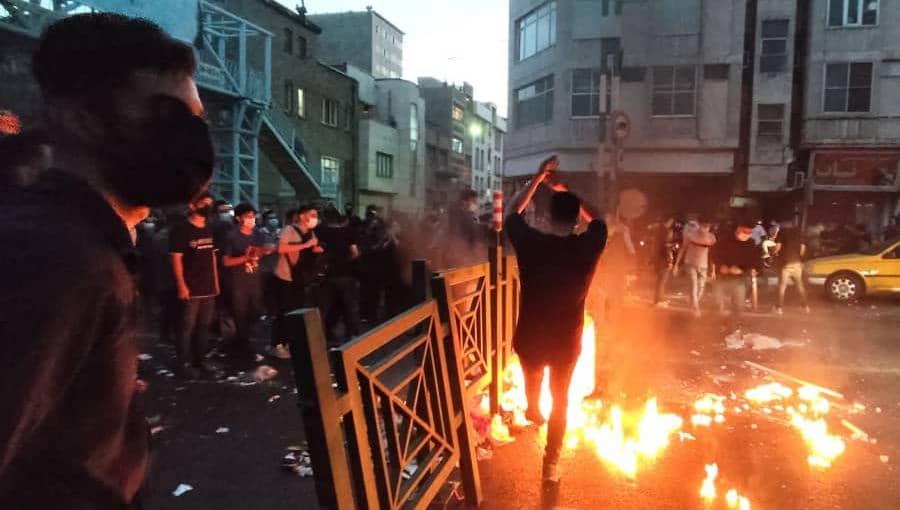
Tens of thousands of Iranians, spanning generations and social classes, have poured into the streets of Tehran and cities across the country in a mounting wave of protest that threatens the authority of the clerical establishment that has governed Iran for nearly half a century. Demonstrations that began in late December in response to sharp economic decline have broadened into a widescale expression of political fury, with some protesters openly calling for the return of the monarchy.
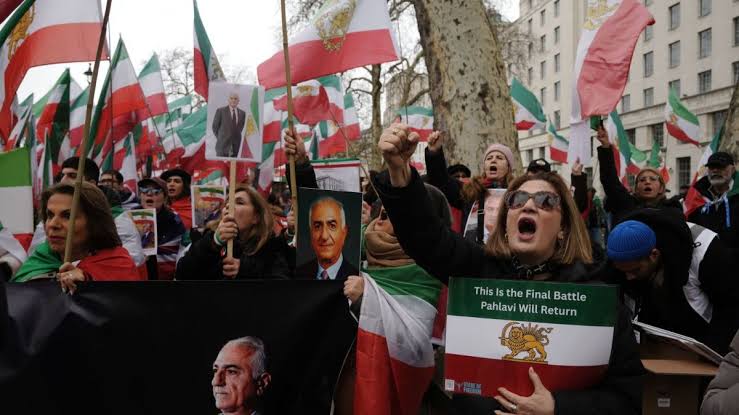
Eyewitnesses and activists described sustained protests in shopping districts, university campuses and provincial towns, even as the state curbed internet access and restricted independent reporting. Video clips and firsthand accounts shared before the near-total communications blackout showed large, vocal gatherings chanting slogans that have become familiar in recent years — including “Death to the Dictator” directed at Supreme Leader Ayatollah Ali Khamenei and repeated cries of “Azadi” (Freedom) — alongside a new refrain: “Pahlavi will return,” an explicit demand for the restoration of the shah’s line.
The latest unrest was ignited by an economic flashpoint: on 28 December shopkeepers at Tehran’s historic Grand Bazaar struck over the collapse of the Iranian currency and runaway prices. The strike rippled into university protests and quickly spread into smaller cities and towns, particularly in Iran’s western provinces. Authorities moved to close educational institutions, citing cold weather, but organizers and participants said the closures failed to dampen the swelling anger.
For many participants, the protests are a response to a catalogue of grievances: relentless economic hardship, rising living costs, rampant corruption and a chronic absence of political freedoms. Personal testimonies collected by reporters before communications were cut illustrated a mixture of despair and defiance. A young woman in Tehran told the BBC that her dreams had been “stolen” and she had come out to make the regime hear that “we still have a voice to shout, a fist to punch them in the face.” Another described life in Iran as “hanging in the air” — trapped between the inability to emigrate and the impossibility of pursuing personal goals at home.
The protests show a widening social base. Demonstrators include young activists who led the Woman, Life, Freedom movement in 2022, but also older Iranians, market traders, and people from families with ties to the establishment. In the western town of Ilam, residents reported protestors ransacking a supermarket linked to regime patrons and discarding produce in a symbolic act of rejection. One witness said even daughters of an intelligence-services official were taking part in demonstrations without their father’s knowledge — a stark sign of divisions within families.
Attitudes toward Reza Pahlavi, the exiled son of the late shah who publicly urged Iranians to take to the streets on Thursday night, vary across the movement. Some protesters view Pahlavi as a realistic pathway to regime change. “Personally I think he’s the only way out of this,” a 26-year-old Tehran resident told reporters. Others say chants for the monarchy reflect a pragmatic, if reluctant, embrace of any alternative to the current system. “I’m not the biggest fan of Reza Pahlavi. But to be honest my personal opinion is not important now,” a 27-year-old protester said. “Being and staying united is more important.” For many, the shift toward calls for monarchy signals desperation and a lack of appealing alternatives rather than a settled ideological return to pre-1979 rule.
Observers note a difference in tone from the 2022 protests that erupted after the death in custody of Mahsa Amini. While the Woman, Life, Freedom movement was suffused with grief and demands for social liberties, participants in the current unrest appear angrier, emboldened by everyday acts of resistance and a sense that more Iranians are willing to take visible, public risks. “People are becoming bolder now,” said a 29-year-old from Karaj, recounting how ordinary citizens openly criticized the regime in daylight while shopping.
Gauging the full scale of the unrest is difficult. Iran has severely restricted independent media, and fear of reprisals has silenced many who might otherwise speak. The communications blackout has further obscured events on the ground, making confirmation of casualty figures, arrests and the geographic spread of protests challenging.
The clerical leadership faces a painful dilemma: respond with harsh repression that could further inflame public anger and fracture elements of the security apparatus, or attempt limited concessions that are unlikely to address the structural economic and political grievances fueling the unrest. For now, the demonstrations show no sign of abating, and the chants for radical change — including anachronistic calls for a dynastic restoration — underscore the depth of dissatisfaction with the Islamic Republic.
This is an extraordinary and uncertain moment in Iran’s modern history. Protesters, many of them young and visibly determined, say they will continue to press their demands despite the risks. How far the movement will go, whether it will coalesce into a sustained campaign capable of forcing political change, and how the state will ultimately react remain open questions.


0 Comment(s)